
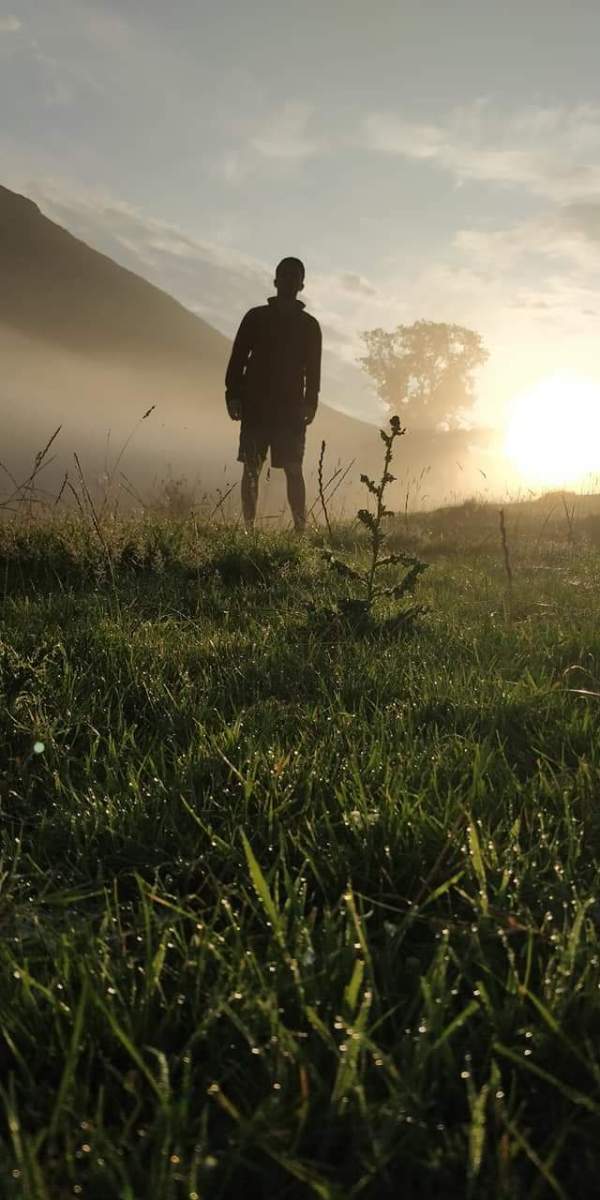
TL;DR: I have some LEDs in mind for the sunrise, Arduino clocks are inaccurate in the long term so I need a separate module to keep time, an LCD screen will also be used to display the time when I request it to do so.
With the tea-making aspect sorted next up to tackle is the LED sunrise feature. Sunrises are one of the few things I know beyond a shadow of a doubt I love. I lived as a stranger in England for a while, with absolutely nothing and nobody to answer to outside of office hours except myself. I was on a fair wage and had a car which basically means I could do whatever I wanted – so what do I want?
I feel I might write about this properly in future but, briefly, I was at a loss while in England, a complete stranger with very little to occupy myself with in the evenings. So I shifted my circadian rhythm back an hour or two, this way I had exactly enough time to do what I needed to do in the evening after work and go straight to bed. The spare time in the morning was much easier to occupy as a lonely soul than the late evening. I would leave for work early and stop at a fishing spot on the River Trent to watch the sunrise. I think this shifting of my free time is why I had such a productive summer. Sitting there as the day began encouraged me to focus on the future, a full day of potential was on its way and I had the time to plan out how I was going to seize every opportunity before the problems of the day even had a chance to think about me. Free time in the evening encourages reflection on the day past which is of course also very useful but I think a surplus of free time, the like of which I had, is best placed at the start of the day. Placing it in the evening might develop into futile obsessing over how I shouldn’t have spent an hour scrolling through Facebook, placing it in the morning means I can spend more time planning how I’m going to avoid doing the same thing that day, based on how I’m actually feeling that day.
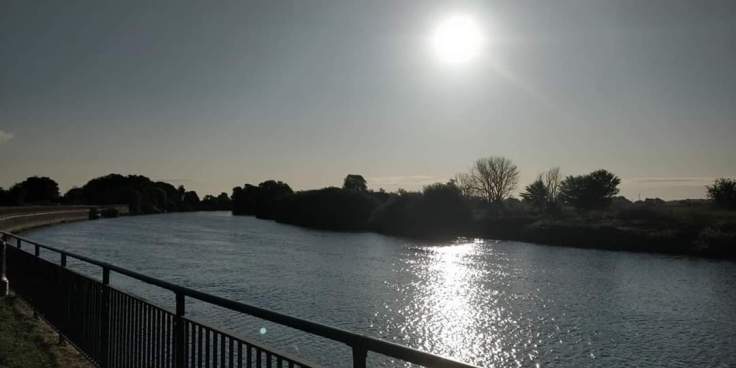
At weekends I would do something similar, I’d set my alarm for 4 am or earlier and drive for miles to watch the sunrise in some beautiful patch of the Peak District, spend the day walking until I was exhausted enough to sleep when I got home and do exactly that.
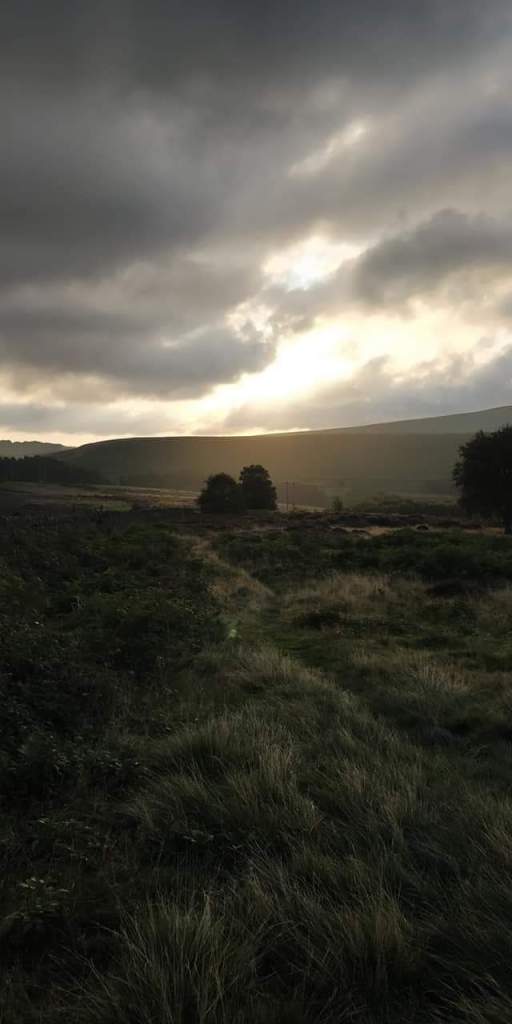
A sunrise in the Peak District is truly spectacular. You can visit it during the day and be absolutely stunned by the harmonious contrast of the limestone faces and grassy hills as well as the odd water feature effortlessly flowing through the channel that its been so carefully sculpting for itself over the centuries.
The water in the Peaks somehow seems more fluid than normal, as if it is free of eddy currents and impervious to all obstacles and external forces. You know that feeling where you think there’s one more step than there actually is? As your foot falls the absence of an obstacle is baffling and terrifying as you readjust your momentum to avoid falling. Isolate that very first moment, before fear sets in, you’re belief that a stair is there is still not quite shaken despite feeling its absence, perhaps you have ascended. Obstacles you know are in your way no longer have any effect on you, your foot just continues on its path downwards, untroubled by the rules of the world that everyone else has to adhere to – not you, not now. That’s how I imagine the rivers and streams in the Peak District flow, with a supernatural sense of absolute fluidity, every movement exactly as intended, never hindered or impeded by the rules that every other being and non-being follows. Except, for the water, that sensation isn’t followed by a rush of fear as we realise we were wrong, the rules of the world still very much apply to us, the world just isn’t as we pictured it – and it might be about to get a lot more hostile in the form of a nasty fall if we don’t return to following the rules immediately. For the rivers of the Peaks, this feeling of moving unencumbered isn’t followed by anything – that’s their entire state of being. So visit the Peak District and marvel at these superfluid bodies yourself. But before you go, know that visiting in the day you only see one shade of everything, arrive for the sunrise and you can view the infinite permutations that each perfectly formed piece of the landscape goes through as it approaches its resting shade of splendour.


I could write a lot more about my love for watching the sunrise but given that I’m talking about recreating it with an LED I feel like the more I describe the beauty of what it is simulating, the more I prime myself to resent the end-product. There’s little to say about the LEDs, they’re warm white cooker hood bulbs and I have four of them, I only intend on using one, two if necessary.
You may think the title refers to what I said about moving my free time around, it doesn’t. It’s actually the fact that not all clocks are created equal. The onboard clock of the Arduino loses about two seconds every hour – not good for an alarm clock. To make up for that lost time I’d have to take the lid off and reset things at least once a week which does not appeal to me at all. I feel like if I start to write about the concept of “losing seconds” here I’ll quickly stop making sense so I’ll leave my views on the subjectivity of time passing for something that lends itself to talking about it at a higher level of abstraction sometime. For now, just know that it means I need to order a separate clock to keep time and an LCD screen to display the time, I’ve worked with the DS3231 clock module before so I’ll buy that. It also has an onboard temperature sensor which might be useful if I have concerns about the temperature being reached inside the casing – hopefully not. This module might need reset every now and then as it forgets to count a second here and there but not nearly as often as once a week.




 Trysworth Curiosity Company